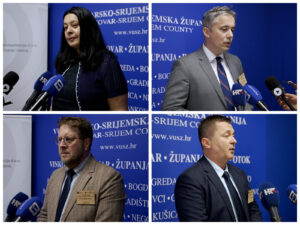
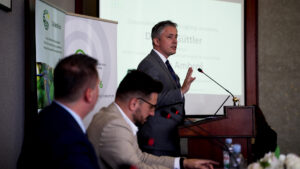
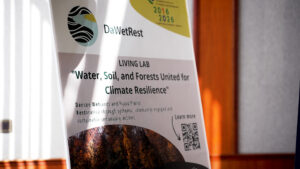
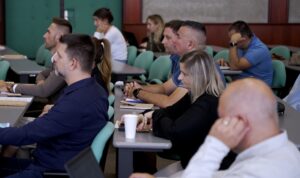
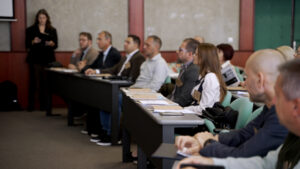
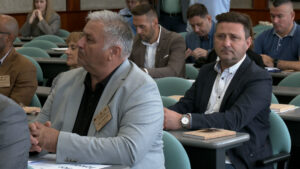
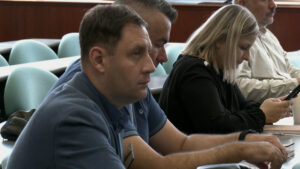
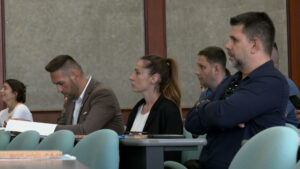
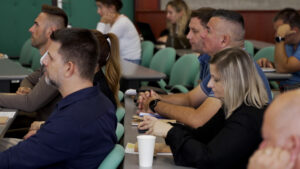
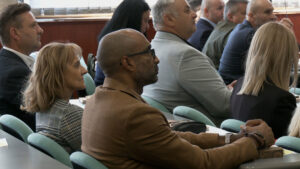
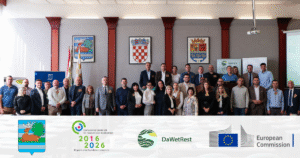
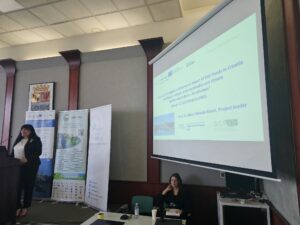
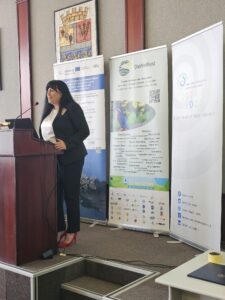
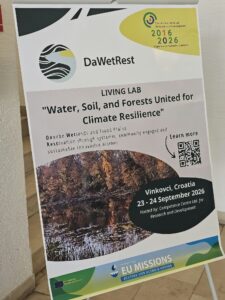
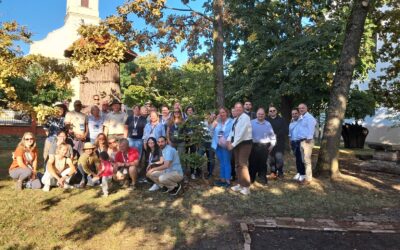
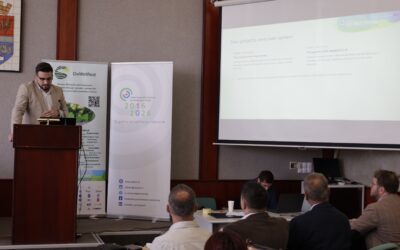
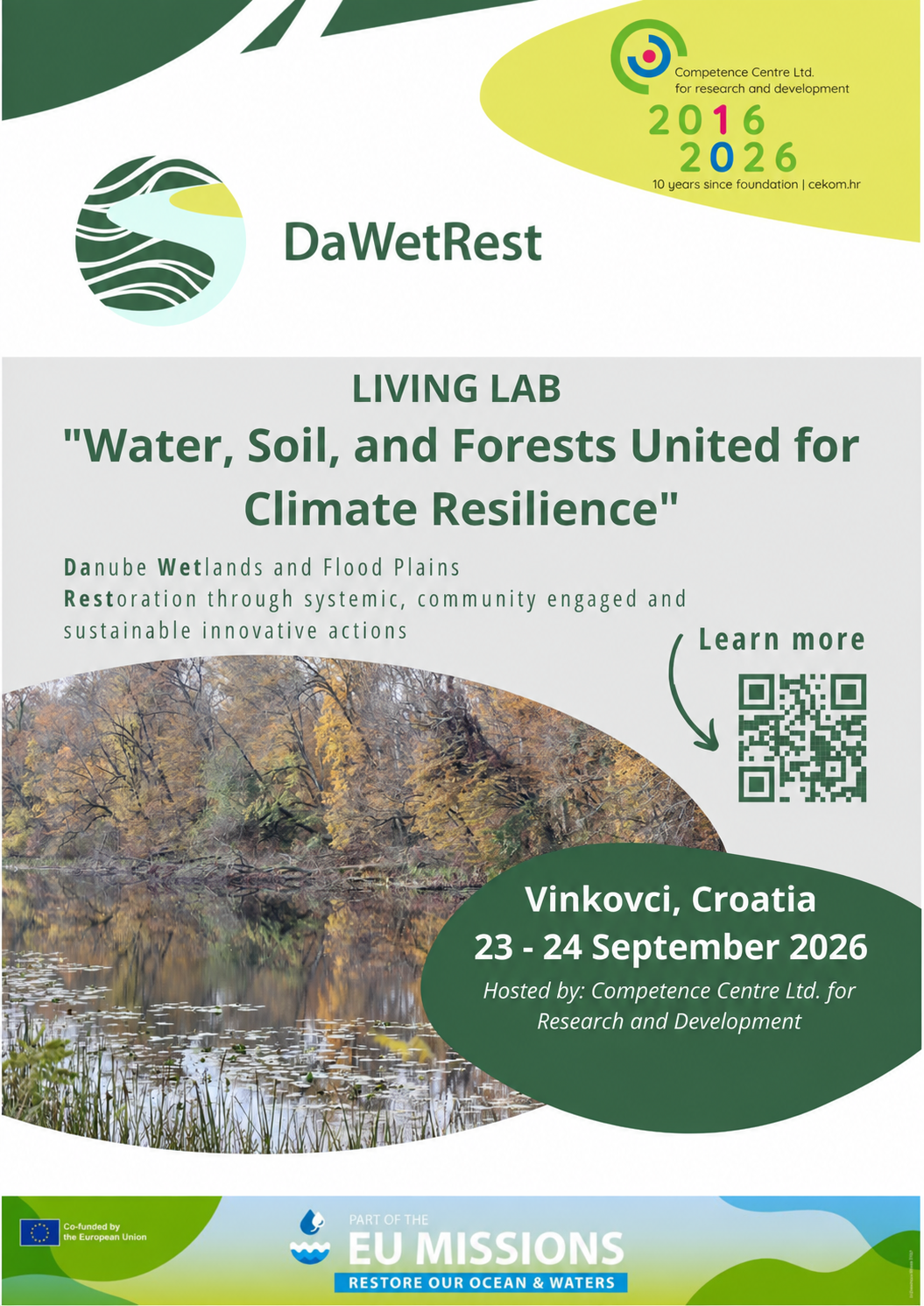
How can we respond to climate change that is already transforming our rivers, forests and soils? How can we bring together the knowledge of the scientific community and the experience of those who manage and live in these areas every day? These questions were at the heart of the two-day DaWetRest Living Lab, held on 23 and 24 September in Vinkovci and organised by the Competence Centre for Research and Development (CEKOM).
Entitled “Water, Soil and Forests – Together for Climate Resilience”, the event brought together representatives of the public sector, the scientific and professional communities, businesses, civil society organisations and local stakeholders, with the aim of jointly developing sustainable and practical solutions for nature restoration and conservation.
The Living Lab was organised as part of the DaWetRest project and serves as an international platform connecting partners and stakeholders from Croatia, Hungary, Bosnia and Herzegovina, Serbia and Romania. Its aim is to jointly develop concrete solutions for restoring degraded ecosystems, mitigating environmental challenges and ensuring the sustainable management of natural resources.
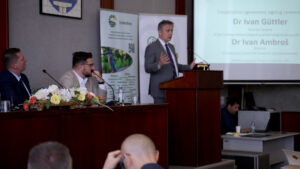
The participants were welcomed by Andreea Strachinescu, Head of Unit for Maritime Innovation, Marine Knowledge and Investment (MARE.A.1) at the European Commission’s Directorate-General for Maritime Affairs and Fisheries (DG MARE); Dr Ivan Güttler, Director-General of the Croatian Meteorological and Hydrological Service (DHMZ); Dr Lucijano Jakšić, Senior Adviser at the Agency for Mobility and EU Programmes; and Dr Ivan Ambroš, Director of the Competence Centre for Research and Development.
From knowledge and discussion to practical solutions on the ground
The two-day Living Lab programme included a presentation of the DaWetRest project and its results, an overview of the active and passive restoration measures implemented within the project, as well as a workshop on carbon sinks and the use of biomass from short-rotation coppice as a potential pathway towards the sustainable use of natural resources, in synergy with the FORADIVSE project.
Particular emphasis was placed on stakeholders working together to identify new pilot areas, potential calls for project proposals and funding mechanisms, as well as developing guidelines for establishing Living Labs.
The first day also included a field visit to the Spačva Basin, providing a direct, practical and local perspective on the challenges and solutions discussed during the event. Field activities continued on the second day, when guests had the opportunity to visit Ilok, learn about the town’s history and discuss potential future activities along the Danube riverbank.
Ten years of CEKOM and a new chapter of cooperation
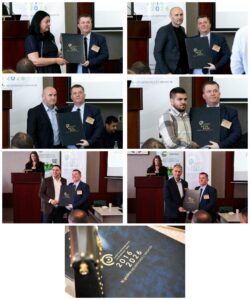
The Living Lab also held special significance as the event marked ten years since the establishment of CEKOM – a decade of research, development, cooperation and partnerships.
To mark the occasion, certificates of appreciation were presented to institutions and individuals in recognition of their contribution, cooperation and partnership with the Competence Centre over the past ten years.
Celebrating CEKOM’s first ten years also marked the beginning of a new chapter. Dr Ivan Ambroš, Director of CEKOM, and Dr Ivan Güttler, Director-General of DHMZ, signed a Cooperation Agreement between the Croatian Meteorological and Hydrological Service and the Competence Centre.
After a decade of building strong partnerships and cooperation, the new Agreement symbolically opens a new chapter and lays the foundation for future joint activities.
The DaWetRest Living Lab in Vinkovci demonstrated just how important it is to bring together science, institutions, businesses, local communities and hands-on experience when responding to climate and environmental challenges.
Water, soil and forests are interconnected systems, and their collective resilience will depend on our ability to work together. The Living Lab therefore does not mark the end of the conversation. Rather, it provides a space from which new partnerships, new projects and concrete solutions can emerge. After ten years of CEKOM’s work, the message from Vinkovci is clear: the climate changes we are already witnessing in our forests, rivers and soils require all of us to act together.